.png)



.png)

.svg)
Geometry Preparation for Simulation
Remove the geometry preparation bottleneck so your CAE teams can run more iterations at the same time
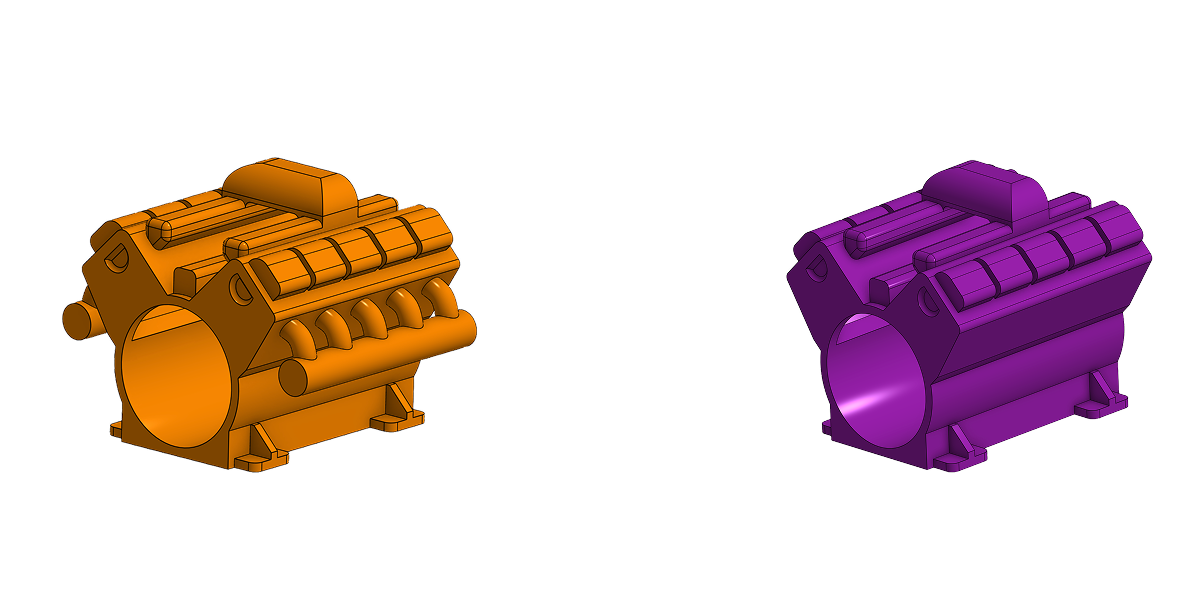
Overview
Engineers spend valuable time (up to 30 hours per complex model) manually preparing CAD geometry for CFD analysis: deleting gaps or overlaps, simplifying edges or solving so. Every design change forces them to repeat the entire process.
Solution
Bench works like an engineer on your team, performing operations just like a human would, but significantly faster. Bench learns how to handle geometry preparation by applying the knowledge, processes, and logic your team chooses to share with it.
Engineers remain in control, reviewing Bench's work, approving actions, and providing context where needed. For geometry preparation, Bench handles the tedious cleanup work automatically, freeing your engineers to focus on analysis and design.
Bench works with your existing tools. No migrations needed. Seamless adoption.
Without Bench
Open the geometry
Open the geometry, isolate the region or parts that need simplification.
Manually delete or edit features
Suppress or delete features (fillets, chamfers, holes, tiny details). If the model is non‑parametric, manually patch geometry (fill holes, extrude over details, smooth surfaces).
Ensure all standards are applied
Assess against internal SOPs and preparation standards and ensure all are followed consistently across the geometry.
Export to CAE and mesh
Export the defeatured model and import into your CAE tool of choice, generate a mesh, and run initial checks or trial simulations.
Refine geometry based on simulation feedback
CAE engineer flags regions that don’t mesh or are overly complex; CAD engineer returns to the model, does further defeaturing, re‑exports, re‑imports, and re‑meshes - often looping several times.
Confirm simulation‑ready variant
Once the CAE team can mesh and run studies reliably, the defeatured model is accepted as the simulation‑ready variant.
This pain point shows up most commonly when engineers are preparing models for simulation and when they need to defeature scanned, non‑parametric models. In both cases, dense, over‑detailed geometries require hours of manual cleanup before CAE teams can reliably mesh and run studies.
How Bench Solves This
With Bench engineers can accelerate the process significantly. Bench automates geometry preparation through three key stages: understanding the part and it's context, planning a suitable workflow and executing the cleanup process within your existing CAD tool.
Understand
The user uploads the model and provides Bench with context through document uploads (e.g. SOPs) and visually indicates defeaturing requirements directly on the geometry (e.g. "remove everything inside this region" or "we don't care about fillets on this entire model").
This is a highly interactive, immersive, 3D-centred experience where you communicate with Bench as if it were a fellow engineer.
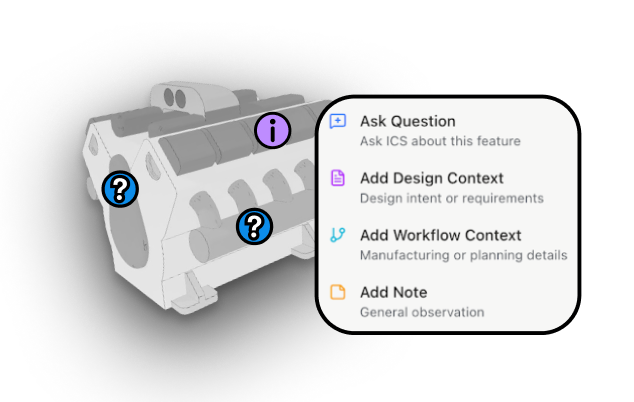
Bench detects missing context and asks clarifying questions to build a complete understanding of the task.
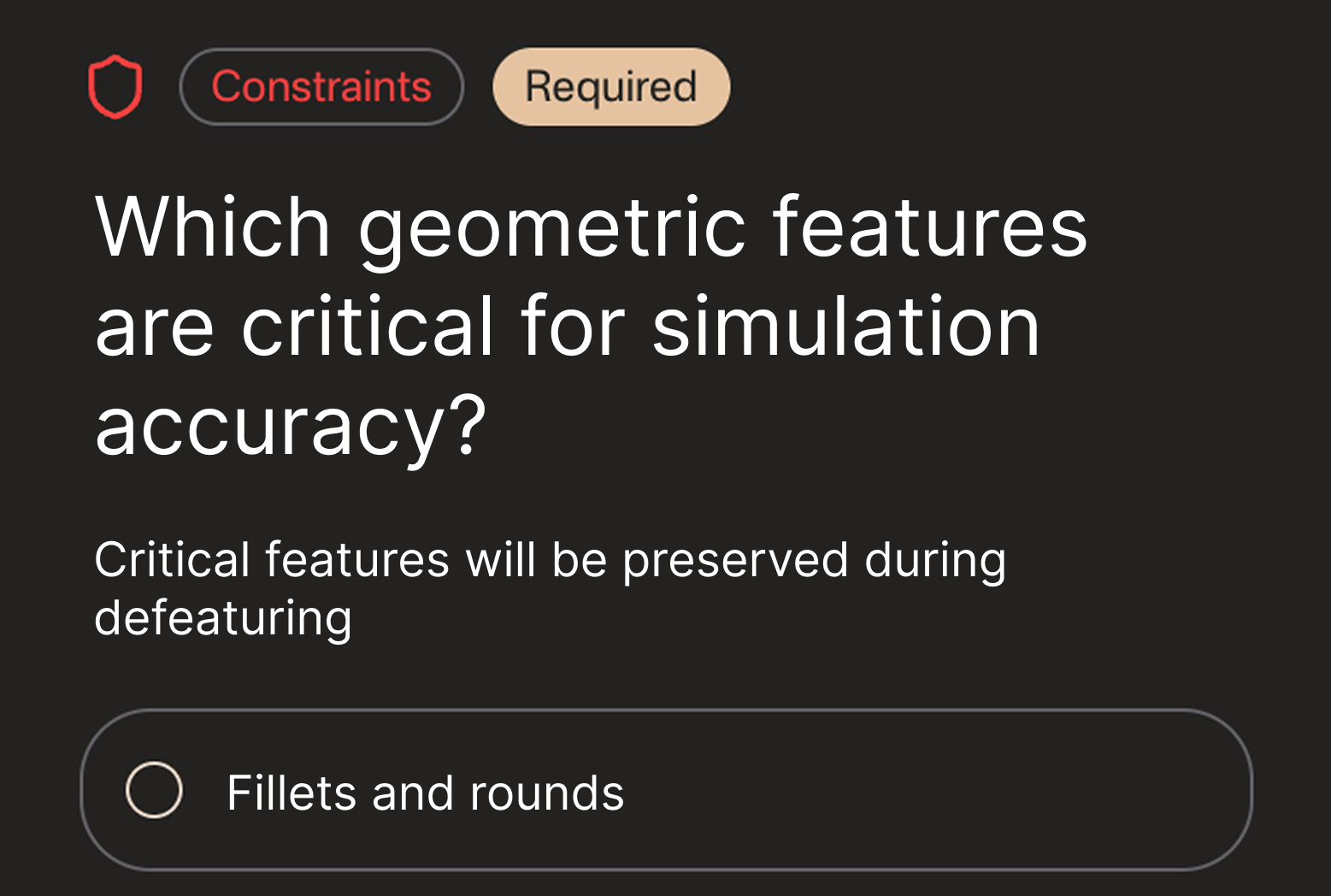
Plan
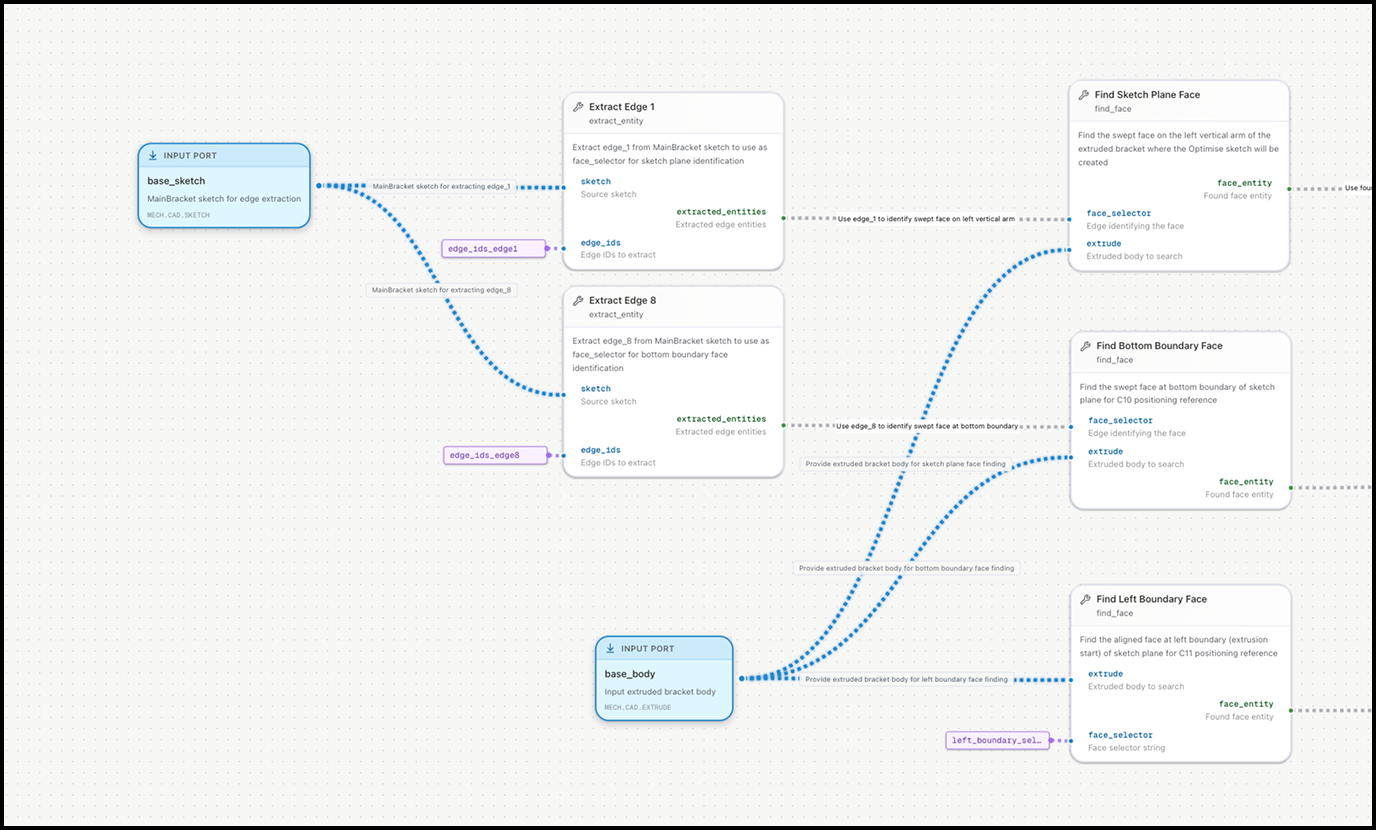
Bench takes all context and annotations into a unified prompt, generates an explainable workflow.
Engineers can inspect the workflow and edit it manually or through prompts (e.g. "keep this fillet", "also remove these holes").
Once the inspection is complete the engineer executes the workflow.
Execute
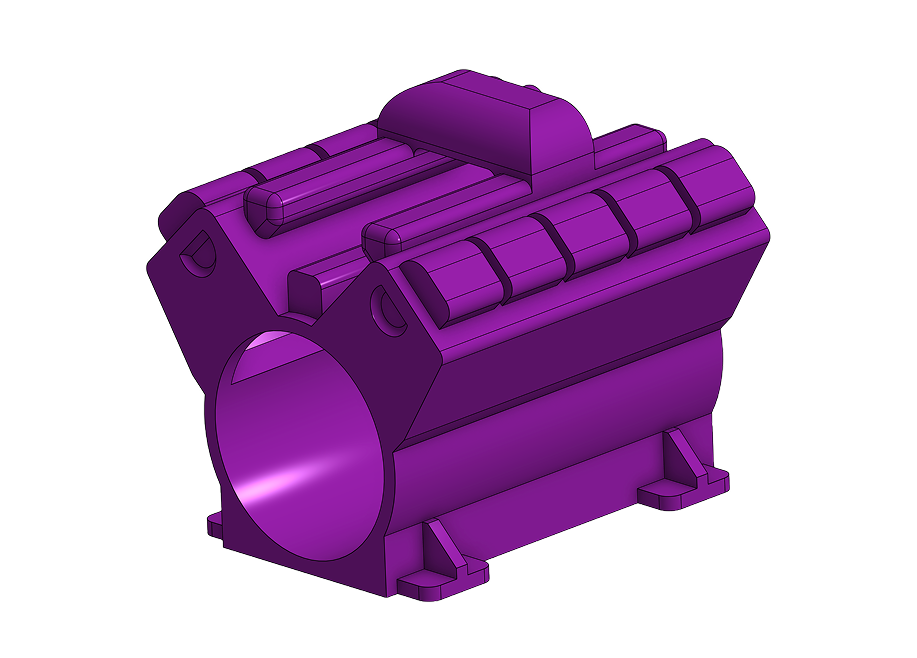
Bench runs the workflow in your CAD tool of choice, completing the geometry preparation in minutes. The output is a defeatured parametric model, in your CAD's native format.
Bench highlights the changes and provides full traceability of the changes that have been made, so the engineer can review the logic behind every modification.
Integrations Supported


Onshape
Integrate with OnShape for seamless design collaboration and real-time updates across your team.

Solidworks
Utilize Solidworks to enhance your design workflow with powerful simulation and modeling capabilities.

Catia
Use Catia for smart engineering design and product management, helping teams create innovative solutions for today’s industries.

SiemensNX
Integrate SiemensNX to optimize your engineering processes with cutting-edge design tools.

ANSYS
Use ANSYS for simulation solutions that boost innovation and efficiency, letting engineers test their designs virtually before production.

SimScale
Integrate with SimScale’s world-class cloud-native AI and simulation workflows.
Similar Use Cases
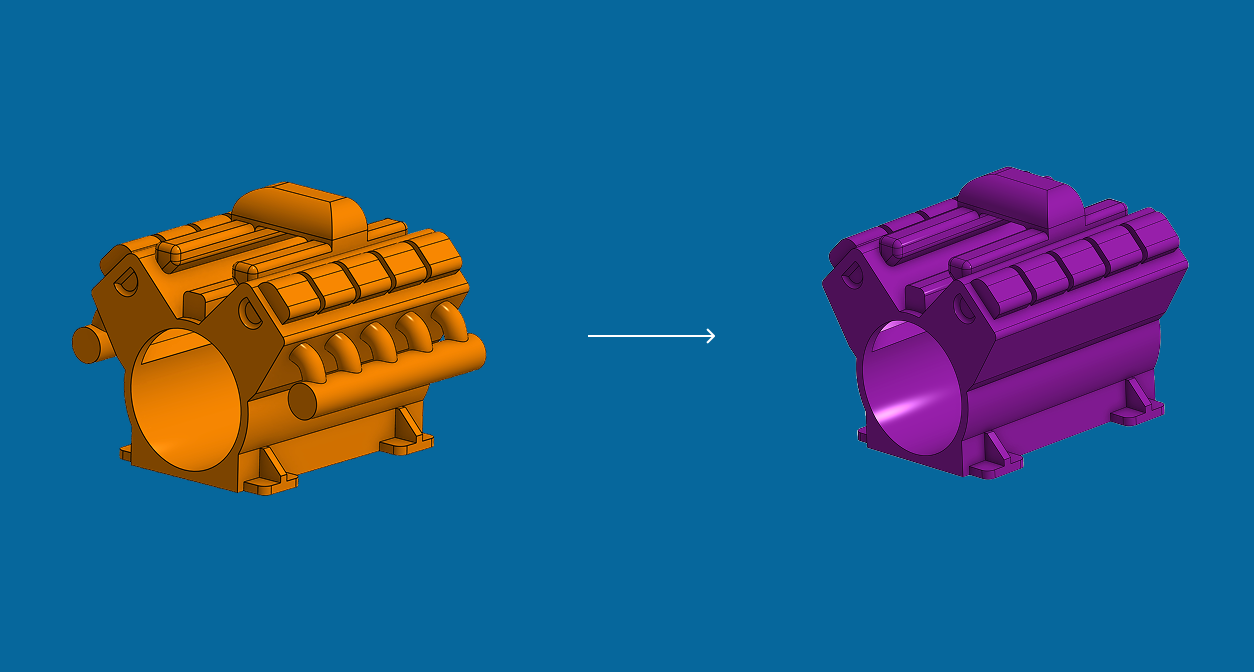
Geometry Preparation for Simulation
Remove the CAD model defeaturing bottleneck so that your CAE teams can run more iterations at the same time.

.svg)
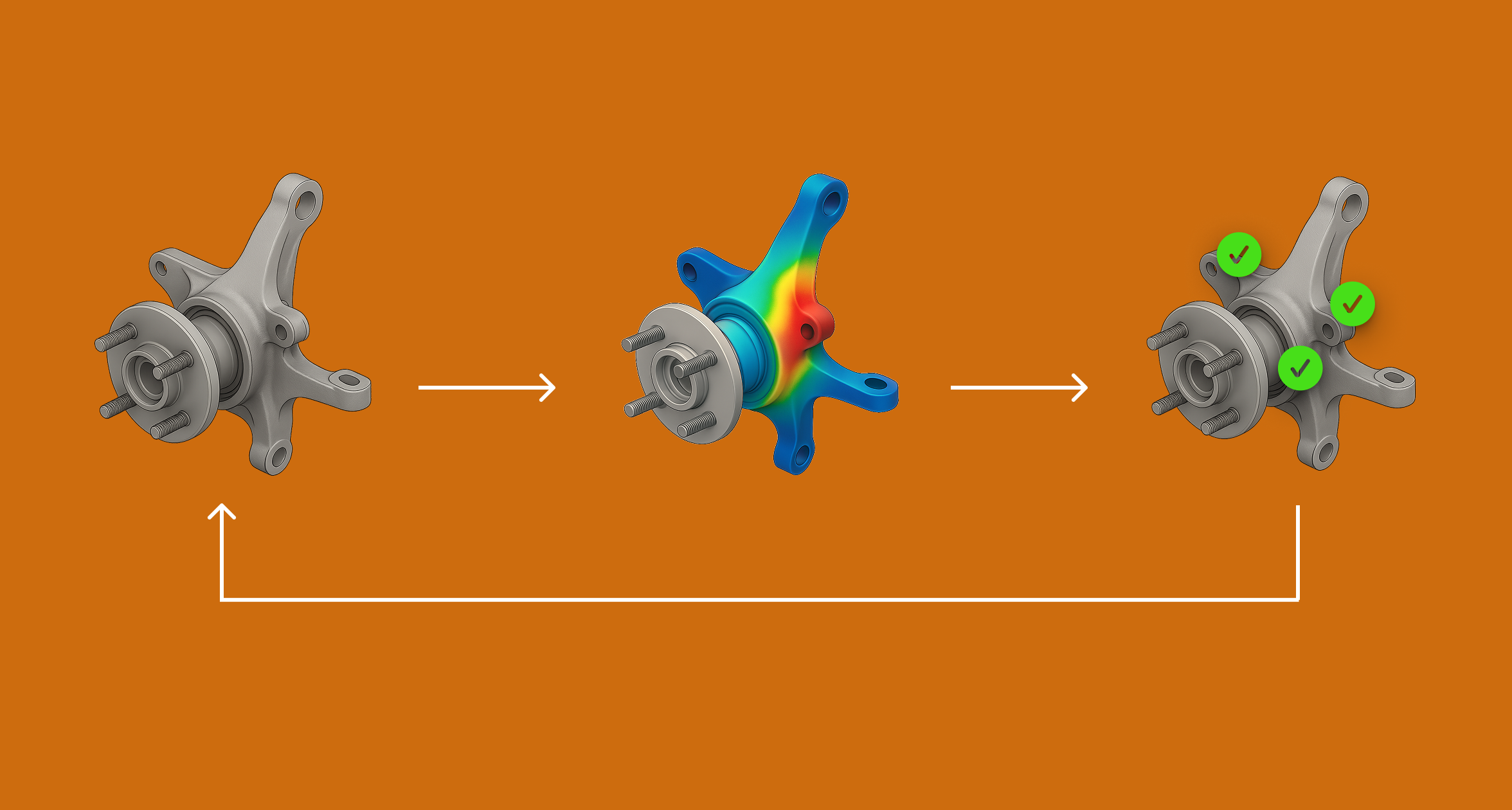
Autonomous Optimisation
Accelerate design cycles by automating menial CAD edits. Enable your engineers to focus on high-leverage tasks instead.
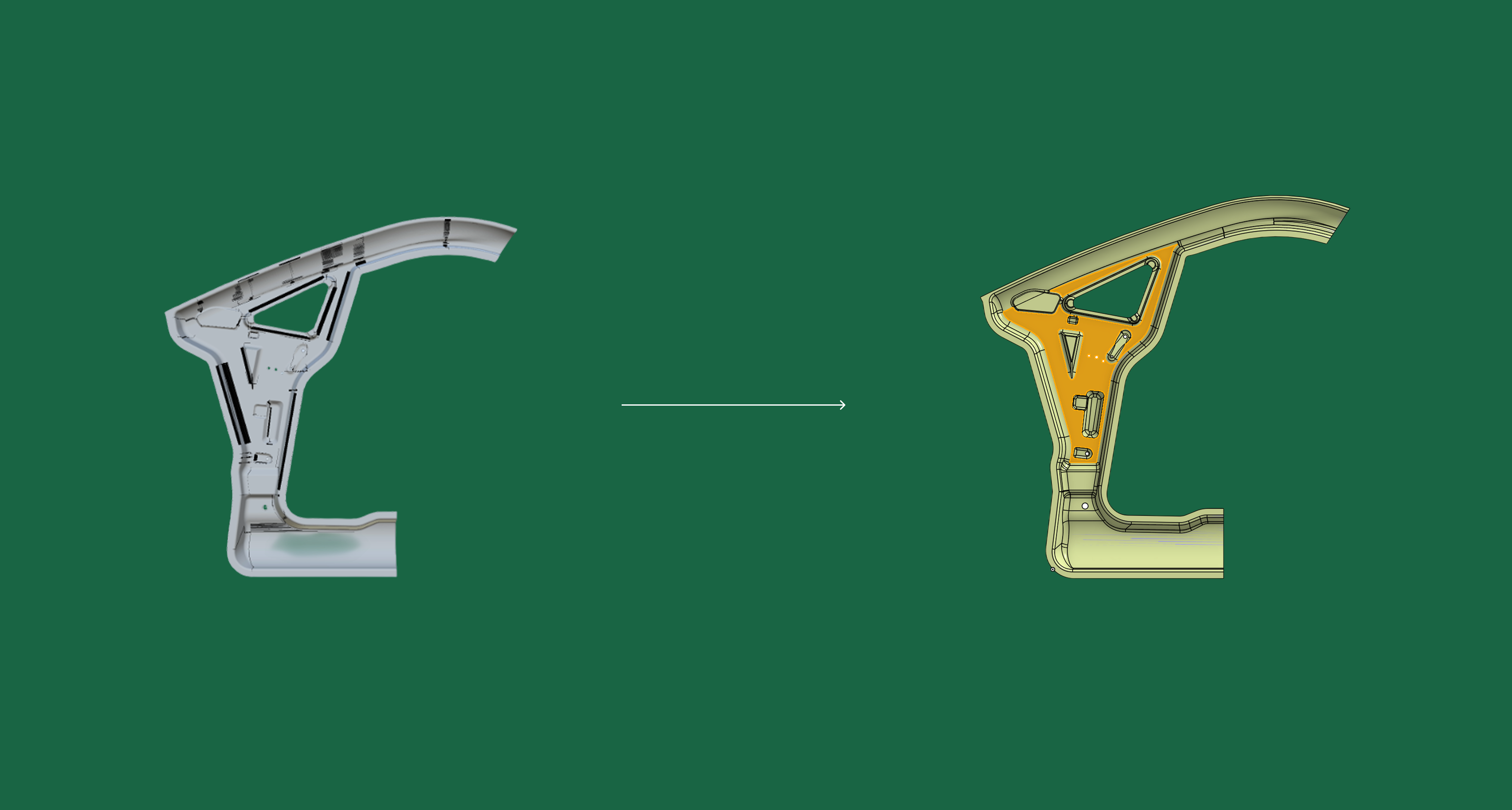
STL to Parametric CAD
Autonomously rebuild scanned and mesh models as fully parametric parts, giving engineers clean, editable CAD.
Want to see a live demo?
Book a call - one of our founders will show you what you can achieve with Bench.
Request a Demo

Request a Demo

